
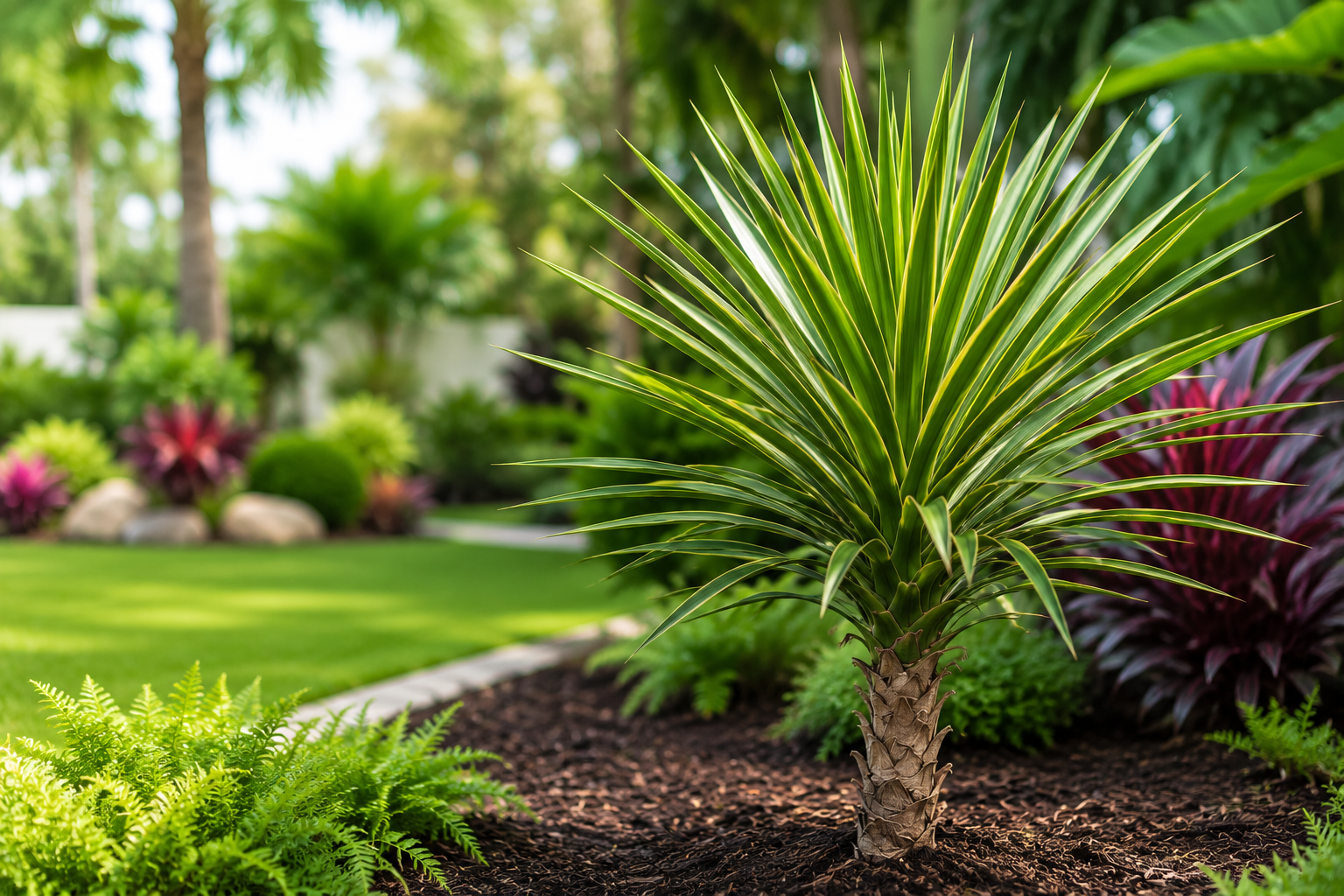
Dracaena species are among the most versatile and striking additions you can make to any indoor or outdoor landscape.
Known formally by various botanical names but widely recognized for their upright, sword-like foliage, these architectural plants provide a dramatic vertical element that elevates container gardens and flower beds alike.
Whether you are designing a vibrant patio display or looking for a hardy centerpiece, understanding what to look for before making a purchase is essential.
Evaluating specific growth characteristics, health indicators, and environmental compatibility will ensure that your chosen specimen thrives for years to come.
Evaluating Foliage Color and Vigor
The visual appeal of any plant starts with the vibrancy and condition of its leaves. When shopping for spikes dracaena, examine the upper and lower surfaces of the foliage for signs of discoloration, yellowing, or brown tips.
Healthy leaves should display crisp, well-defined coloration ranging from deep emerald greens to striking reddish-purple hues, depending on the specific variety.
Avoid specimens with limp, drooping, or damaged leaves, as these are often clear indicators of underlying stress, improper watering, or inadequate light exposure during their time at the nursery.
Inspecting Root Health and Pot Size
A strong root system forms the foundation of long-term plant vitality. Before finalizing your selection, gently check the base of the plant and look at the drainage holes at the bottom of the container.
Roots that are tightly wound or circling excessively in a dense mat indicate that the plant is severely root-bound and may struggle to establish itself once replanted.
Conversely, loose soil that easily falls away can suggest a recently potted cutting that lacks a mature root system. An ideal spikes dracaena should feature firm, light-colored roots that adequately fill the pot without choking it.
Assessing Overall Stem Firmness and Structure
The structural integrity of the main stalk is a critical factor in determining how well the plant will handle transport and future growth.
Carefully press along the main stem to ensure it feels firm and rigid to the touch. Soft, mushy, or wrinkled stems are major warning signs of stem rot or internal fungal issues, which are frequently caused by overwatering in retail environments.
Selecting a specimen with a sturdy, upright trunk guarantees better stability and a stronger posture as the plant continues to develop its distinctive upward growth habit.
Understanding Light and Environmental Needs
Before bringing your new foliage home, it is vital to assess where you plan to position it and whether your space matches its environmental preferences. While these resilient plants adapt well to various indoor and outdoor settings, they generally thrive in bright, indirect sunlight.
Placing a healthy spikes dracaena in an area that receives adequate natural light prevents the lower leaves from yellowing prematurely and maintains the deep, vivid tones of the foliage.
Always cross-reference the lighting conditions of your balcony, patio, or living room with the specific care requirements of the variety you intend to buy.
Checking for Pests and Disease Symptoms
Pest infestations can easily spread to your existing greenery if not caught and addressed early at the nursery stage. Carefully inspect the leaf joints, the undersides of leaves, and the soil surface for common nuisance insects such as spider mites, mealybugs, or scale.
Look for fine webbing, sticky residue, or tiny white spots. Choosing a pristine, pest-free spikes dracaena saves you from the immediate frustration of treating infestations and ensures that your new green investment remains vibrant, healthy, and entirely disease-free.